Discover Dragon Fruit: Your Ultimate Guide to This Exotic Gem
Step into the vibrant world of tropical fruits and you're bound to encounter the visually stunning dragon fruit, also known as pitaya. With its flamboyant exterior and delicately sweet interior, this exotic gem has captivated palates and become a star ingredient in healthy cuisine worldwide. If you’ve ever been curious about this captivating fruit, this comprehensive guide to dragon fruit will explore everything from its fascinating origins and diverse varieties to its remarkable health benefits and practical tips for enjoying it.
Originating from the warm embrace of Central and South American regions like Mexico, Guatemala, Nicaragua, Costa Rica, and El Salvador, dragon fruit is a true tropical marvel. It’s a unique member of the cactus family, specifically from the genus Hylocereus, boasting about twenty distinct species. Today, its popularity has transcended borders, making it a staple in Southeast Asian and Latin American kitchens, and increasingly accessible in markets globally.
What Exactly is Dragon Fruit (Pitaya)? Unveiling the Cactus Fruit
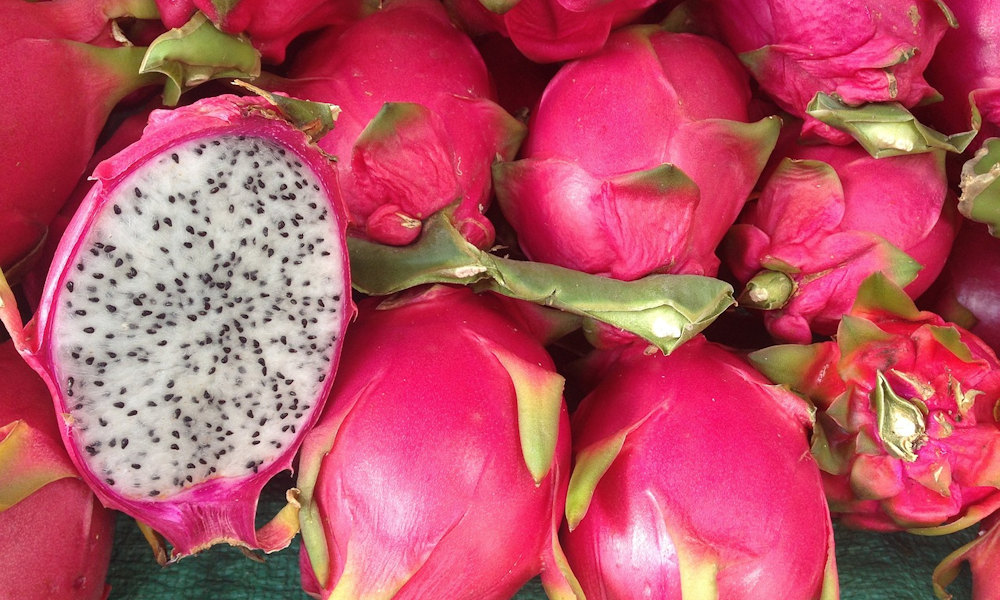
The name "dragon fruit" isn't just whimsical; it perfectly describes its striking appearance. Its leathery, often bright red or yellow skin is adorned with scale-like bracts, reminiscent of a mythical dragon. This otherworldly aesthetic makes it an instant showstopper, whether whole in a fruit bowl or sliced into a colorful dish.
Beneath its fantastical exterior lies a treasure trove of subtly sweet, creamy pulp dotted with tiny, edible black seeds. While often compared to a cross between a pear and a kiwi, dragon fruit offers a unique flavor experience that is refreshing and light, never overpowering. Its texture is soft and spongy, similar to a ripe kiwi but with a slightly grainier feel from the abundance of seeds. Many describe its taste as elegantly mild, making it a versatile ingredient that complements both sweet and savory applications without dominating other flavors.
Beyond its taste, dragon fruit offers an intriguing sensory journey. Imagine slicing into a magenta-skinned fruit with lime-green spines that gently curve downwards, revealing either a pristine white or a vividly pinkish-purple flesh speckled with those characteristic black seeds. This visual spectacle alone makes it a favorite for garnishes and Instagram-worthy meals.
Unveiling the Exotic Varieties and Their Flavors
While often generalized, dragon fruit comes in several captivating varieties, each offering subtle differences in appearance and taste. Understanding these can help you choose the perfect pitaya for your culinary adventures:
- Red Skin, White Flesh (Hylocereus undatus): This is perhaps the most common variety you’ll encounter. Its vibrant hot-pink or magenta skin gives way to a creamy white pulp, generously peppered with black seeds. The flavor is mildly sweet, often described as a delicate blend of kiwi and pear, with a refreshing, slightly aquatic note.
- Red Skin, Red/Magenta Flesh (Hylocereus costaricensis / Hylocereus polyrhizus): These varieties boast the same eye-popping red exterior but surprise you with an equally vivid red or deep magenta interior. The intense color hints at a slightly richer, often sweeter flavor profile compared to its white-fleshed counterpart, sometimes with a subtle berry-like undertone.
- Yellow Skin, White Flesh (Hylocereus megalanthus): While less common, the yellow dragon fruit is often hailed as the sweetest of the bunch. Its bright yellow skin, with fewer and more pronounced "spines" that are softer to the touch, encases a translucent white flesh speckled with black seeds. Its sweetness is more pronounced, often leaning towards a pineapple-kiwi fusion, making it a delightful treat on its own.
Each type offers a unique appeal, from the classic refreshment of the white-fleshed varieties to the amplified sweetness of the yellow, providing a diverse palette for exploration. No matter the color, the tiny, soft black seeds are completely edible and add a pleasant, slight crunch, much like those found in a kiwi.
The Nutritional Powerhouse: Health Benefits of Dragon Fruit
Beyond its captivating beauty and delightful taste, dragon fruit is a nutritional powerhouse, packed with essential vitamins, minerals, and antioxidants that contribute to overall well-being. Incorporating this tropical treasure into your diet means more than just enjoying an exotic flavor; it means nourishing your body with valuable nutrients.
- Rich in Vitamins: Dragon fruit is an excellent source of Vitamin C, a crucial antioxidant known for boosting the immune system, aiding in collagen production, and protecting cells from damage. It also provides Vitamin A, important for vision and skin health.
- Fiber-Rich: Low in calories and high in dietary fiber, dragon fruit is a fantastic choice for digestive health. Fiber helps regulate bowel movements, prevent constipation, and can contribute to a feeling of fullness, aiding in weight management.
- Mineral Boost: This fruit contains significant amounts of vital minerals such as calcium, which is essential for strong bones and teeth, and magnesium, a mineral involved in over 300 biochemical reactions in the body, including muscle and nerve function, blood glucose control, and blood pressure regulation. It also offers an array of other trace minerals.
- Antioxidant Properties: The vibrant colors of dragon fruit, especially the red-fleshed varieties, are indicative of their high antioxidant content. These powerful compounds help combat free radicals in the body, reducing oxidative stress and potentially lowering the risk of chronic diseases.
- Prebiotic Benefits: Some studies suggest that dragon fruit contains prebiotics, which feed the beneficial bacteria in your gut, further supporting digestive health and a balanced microbiome.
With its impressive nutritional profile, dragon fruit is more than just a pretty face; it’s a smart and delicious addition to any health-conscious diet.
Your Practical Guide to Dragon Fruit: Buying, Prepping, and Enjoying
Embracing dragon fruit in your kitchen is surprisingly simple, despite its exotic allure. From selecting the perfect fruit to preparing it for a myriad of dishes, this section provides actionable advice to help you get the most out of your pitaya experience. For a deep dive into handling this unique fruit, you might find Your Essential Dragon Fruit Guide: How to Buy, Prep, and Enjoy Pitaya incredibly useful.
Buying and Storing Dragon Fruit
- Selection: Look for dragon fruit with vibrant, evenly colored skin (hot-pink or bright yellow) that is free of soft spots, bruises, or mold. While the "spines" are part of its natural charm, ensure they aren't brittle or excessively brown.
- Ripeness Test: A ripe dragon fruit will yield slightly to gentle pressure, much like an avocado or a ripe kiwi. Avoid fruits that are too firm (underripe) or too soft (overripe).
- Ripening: If your fruit feels a bit too firm, simply leave it at room temperature for 1 to 2 days. It will sweeten and soften as it ripens.
- Storage: Once ripe, store dragon fruit in the crisper drawer of your refrigerator. It will typically keep for 3 to 4 days, preserving its freshness and flavor.
- Availability: In the US, dragon fruit is seasonally available from August to November. However, due to global imports from countries like Vietnam, Ecuador, and Israel, you can often find it year-round in well-stocked produce markets, natural food stores, and even online specialty grocers.
Prepping Dragon Fruit
The beautiful skin of the dragon fruit is not edible, but it’s remarkably easy to remove, revealing the succulent flesh within.
- Halve It: The simplest method is to cut the fruit in half lengthwise with a sharp knife.
- Peel or Scoop:
- Peeling: Using a paring knife, gently separate the skin from the flesh. It usually peels away easily in large sections, much like an orange.
- Scooping: Alternatively, you can use a spoon to scoop out the flesh directly from the skin, similar to how you would eat an avocado or kiwi.
- Discard Skin: Always discard the skin.
- Portioning: Once peeled, you can slice the flesh into rounds, cut it into cubes, or use a melon baller to create decorative spheres.
Serving Suggestions and Culinary Inspiration
Dragon fruit's mild sweetness and captivating appearance make it incredibly versatile. Here are some ways to enjoy it:
- Eat It Raw: The simplest and purest way to enjoy dragon fruit is on its own. Chill it, cut it in half, and scoop out the refreshing flesh with a spoon.
- Smoothies and Juices: Its creamy texture and subtle flavor blend seamlessly into smoothies. Combine with other tropical fruits like mango, pineapple, or banana for a vibrant, nutrient-packed drink.
- Exotic Fruit Salads: Dice dragon fruit and combine it with berries, melon, kiwi, and citrus segments. For an impressive presentation, cut the fruit in half lengthwise, scoop out the flesh, dice it, and then return it to the hollowed-out skin to create "fruit salad boats."
- Desserts: Incorporate dragon fruit into fruit tarts, puddings, sorbets, or even as a colorful topping for yogurt or ice cream. Its natural sweetness means less added sugar is needed.
- Savory Pairings: While primarily sweet, its subtle flavor can work in unique savory applications. Think about adding diced dragon fruit to a fresh salsa for fish tacos or a light chicken salad for a touch of sweetness and crunch.
- Garnish: Its striking colors make it an ideal garnish for cocktails, mocktails, and plates, instantly elevating the visual appeal of any dish.
For those inspired to take their dragon fruit journey to the next level, perhaps even cultivating this tropical wonder, you’ll find invaluable information in Mastering Dragon Fruit: Growing Tips, Varieties, and Culinary Inspiration.
Conclusion
Dragon fruit, or pitaya, is truly a gift from the tropics – a feast for the eyes and a delight for the palate. From its mythical appearance and diverse varieties to its impressive array of health benefits and incredible versatility in the kitchen, it offers a unique and enriching experience. Whether you're seeking a refreshing snack, a vibrant addition to a smoothie, or a nutritious boost to your diet, this comprehensive guide to dragon fruit provides all the insights you need to confidently explore and enjoy this extraordinary fruit. Don't hesitate to grab one next time you spot it; your taste buds and your health will thank you.
